
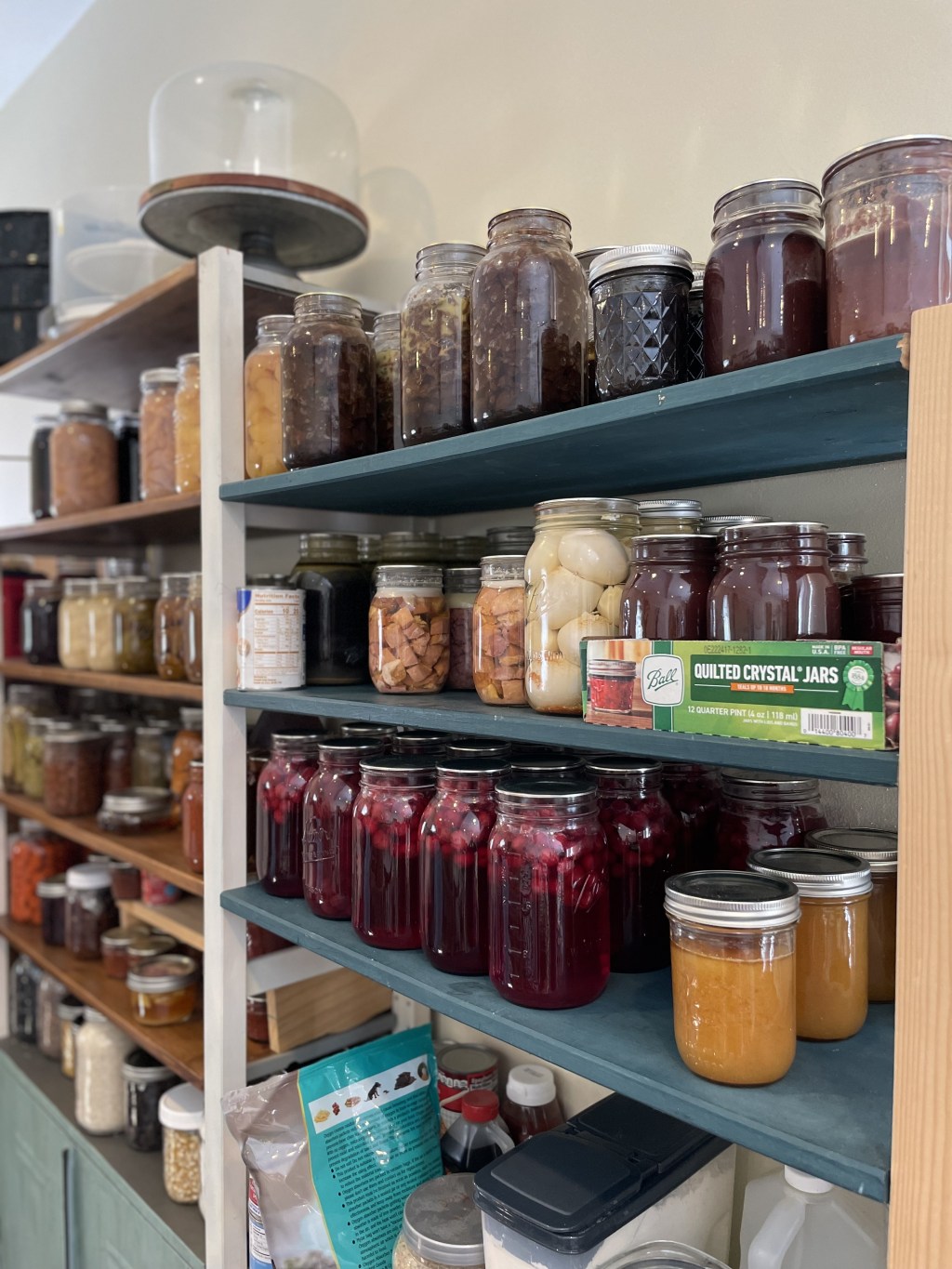
When you are trying to preserve your harvest, the most common method is canning. Other methods include freezing, root cellar, salting, dehydrating and freeze drying. I prefer canning if at all possible. If the power goes out or the breaker circuit is tripped for any reason, then I don’t have to worry about the food spoiling.
The holy grail of canning is the Ball’s Complete Book of Home Preserving. It has over 400 recipes for pressure canning and water bath canning. The recipes are backed by science to not promote an environment for food poising. It is a great book for beginning and experienced canners. But I’m a rebel.
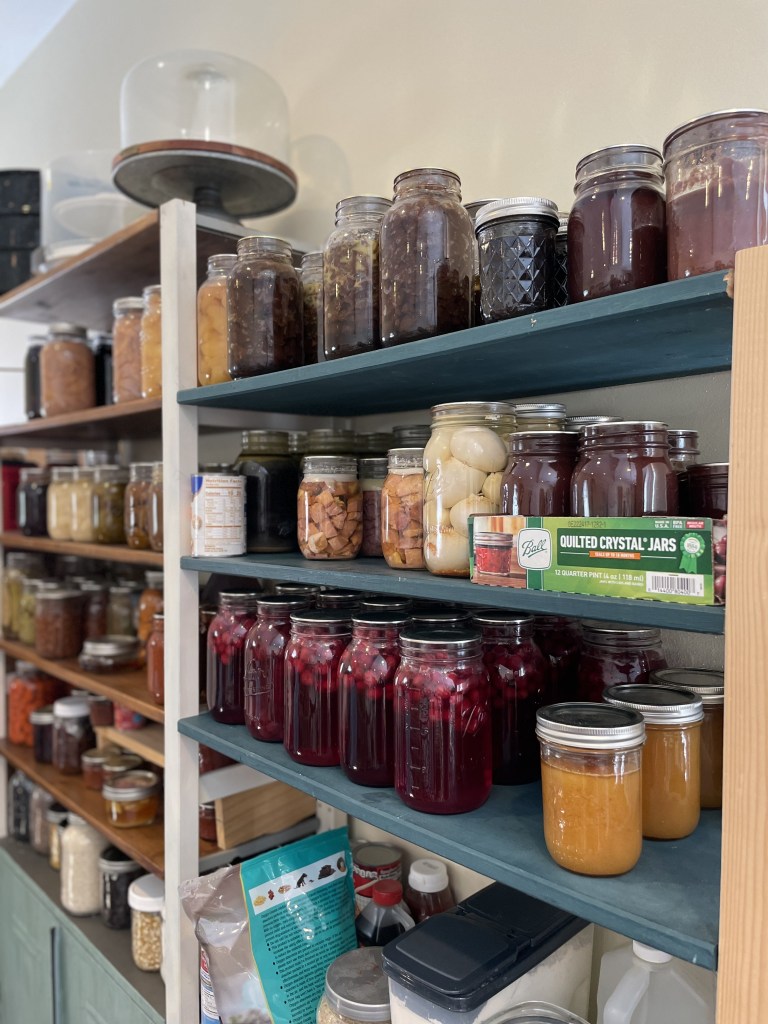
My first official year of canning, I wanted to can my chicken eggs. There is no approved method for canning eggs. Yet you can go into the grocery store and find pickled eggs, shelf stable. Thus I proceeded to hunt down someone who has rebel canned. On a YouTube channel I found an Alaskan couple that pickles their eggs and even does various flavors. From there I learned to preserve my eggs and make them shelf stable. Now you can also put them in a pickling lime/water combo; I just didn’t have much luck. I will probably re-approach that method when my eggs come out clean again.
Since my first year I have canned tomatoes, corn, chicken, seasoned ham, beef, broth, tomato soup (another rebel recipe), apple pie filling, apples, applesauce, backed beans (rebel recipe), cranberry juice, grape juice (rebel recipe), pizza sauce, carrots, beans, peas, pickles, jams, salsa verde, strawberry, mincemeat, bell pepper, potato, dandelion and banana syrup (rebel recipe), tomato paste, ketchup.
This also brings to mind when I was a teenager making strawberry jam. I have always preferred the low sugar, high pectin jam because the reduction of sugar does not hurt my teeth. Also you go from 8 cups of sugar to 4 cups. In the instructions it says to add a tbsp of butter to reduce foaming. I decided to add way more. It resulted in a delicious buttery jam that as far as I could tell didn’t spoil. But it probably got eaten too fast to spoil.
In the future I want to try canning milk. As many know, milk is not shelf stable. If you freeze it, it will not melt and return to its former state, as it is not a homogenized product, but is made so through various processes that I am unfamiliar with, so that the cream does not separate from the milk. I have three goats, two does and one buck. They produce a more homogenized milk than cows. Will goat milk can up better than cows milk? I do not know. It is also a question of whether raw milk or pasteurized milk cans better. But the best way to learn is to learn from others with similar thoughts of “If it is canned and sold in stores, why cannot we try?” At the very least, if we fail and it does not seal or goes bad, we know one way not to try. If we succeed, we will secure a new way of preserving food.
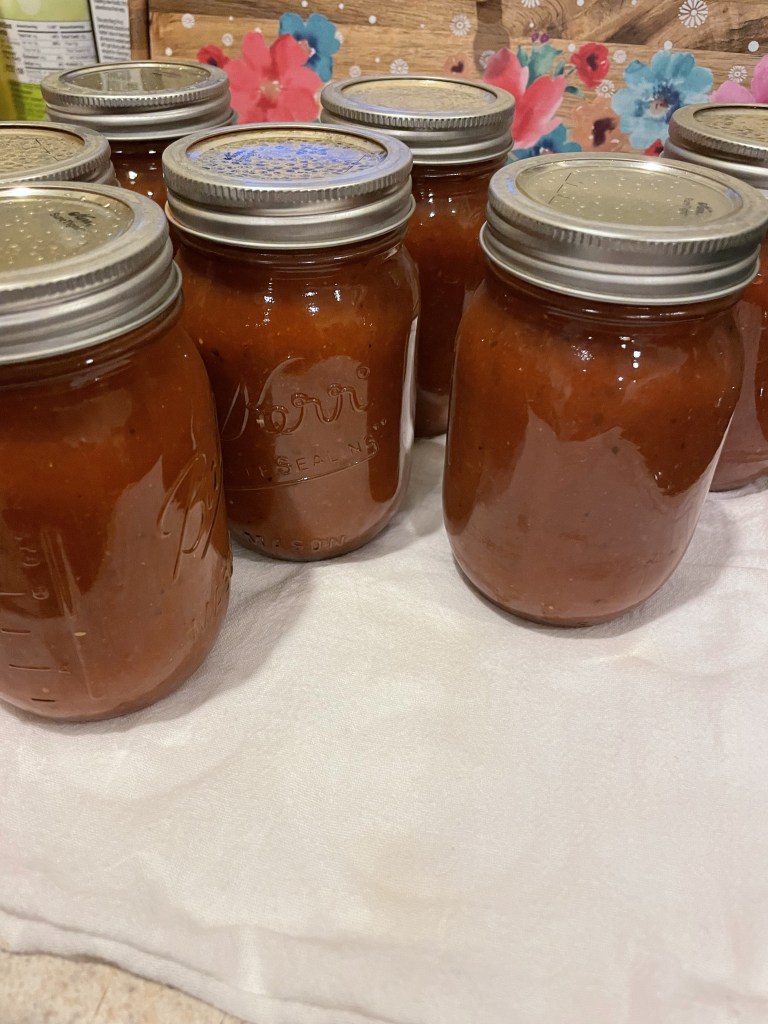
I have a YouTube video up on canning tomato soup. There is a link to the original recipe in the comments. The video simply shows my process and if you want to do additional safety practices like running the cans in the dishwasher or putting them in the oven around 185 F to keep the cans warm and prevent jars from breaking, I would advise doing so. https://www.youtube.com/watch?v=Obri0gNpZnw&t=10s
 The Black Cherry Azalea